The Berkeley Center for Structural Biology
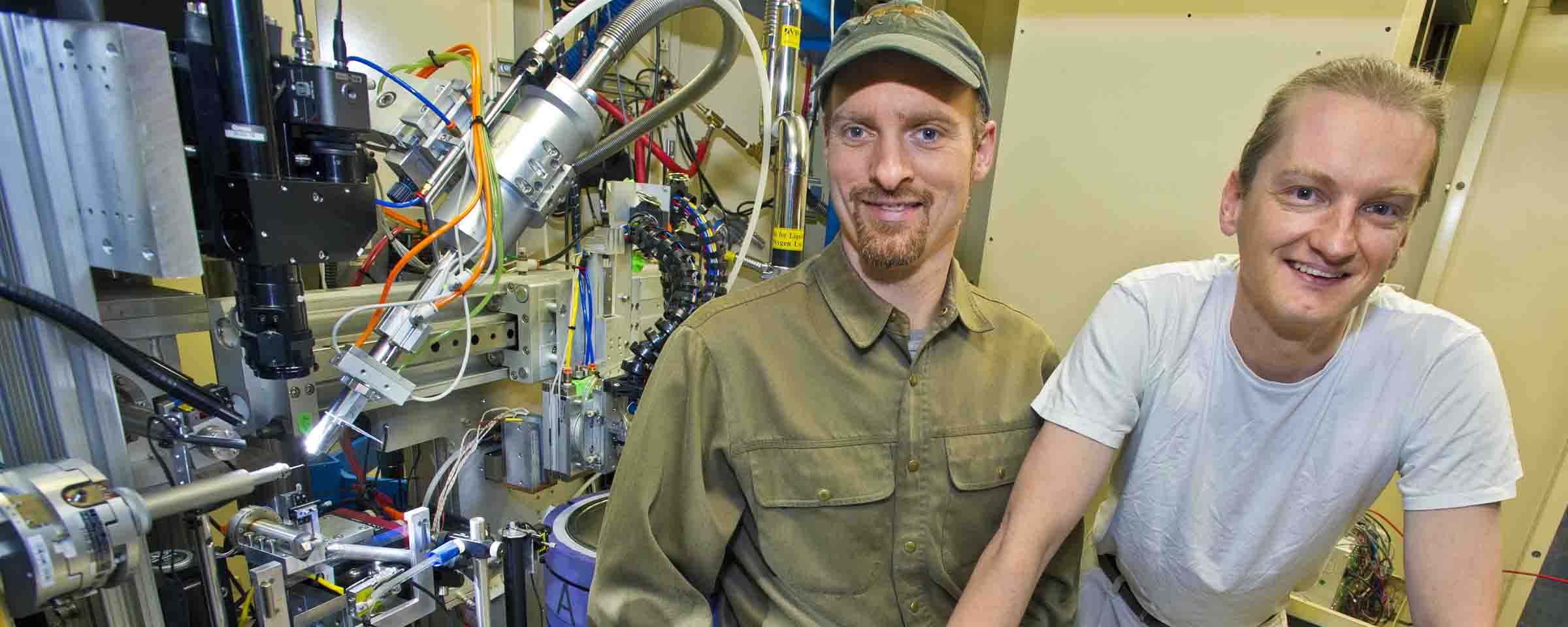
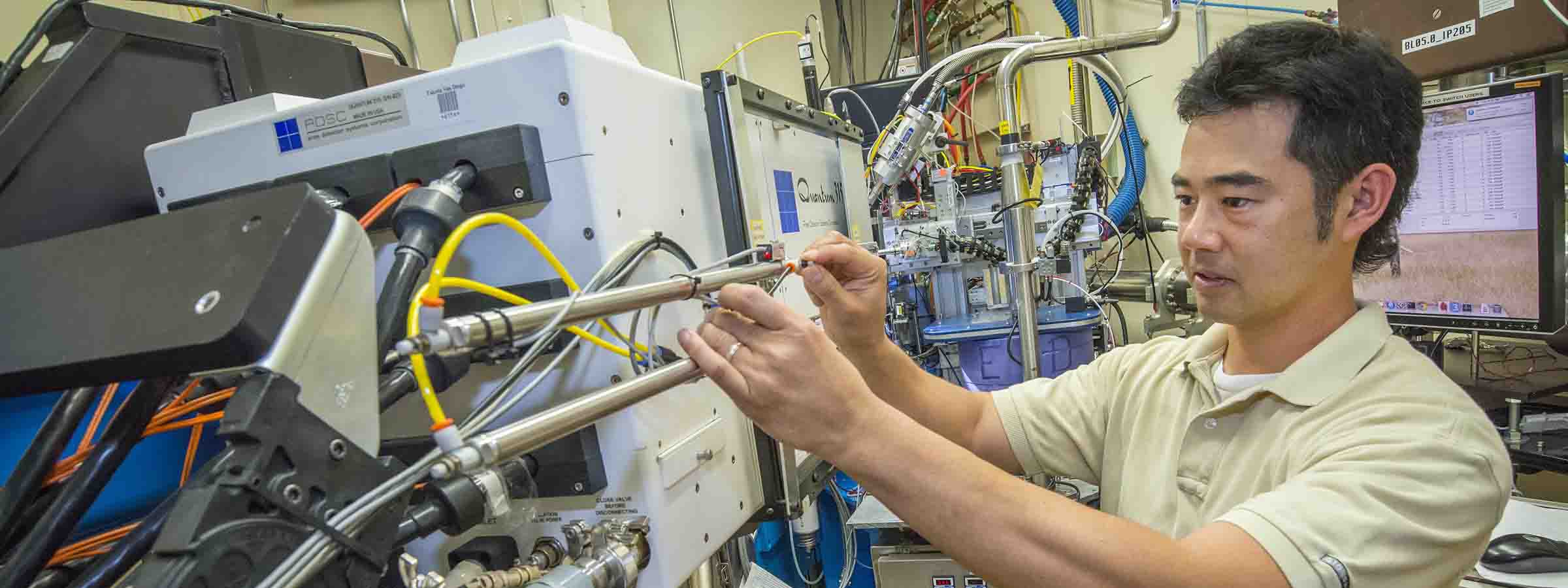
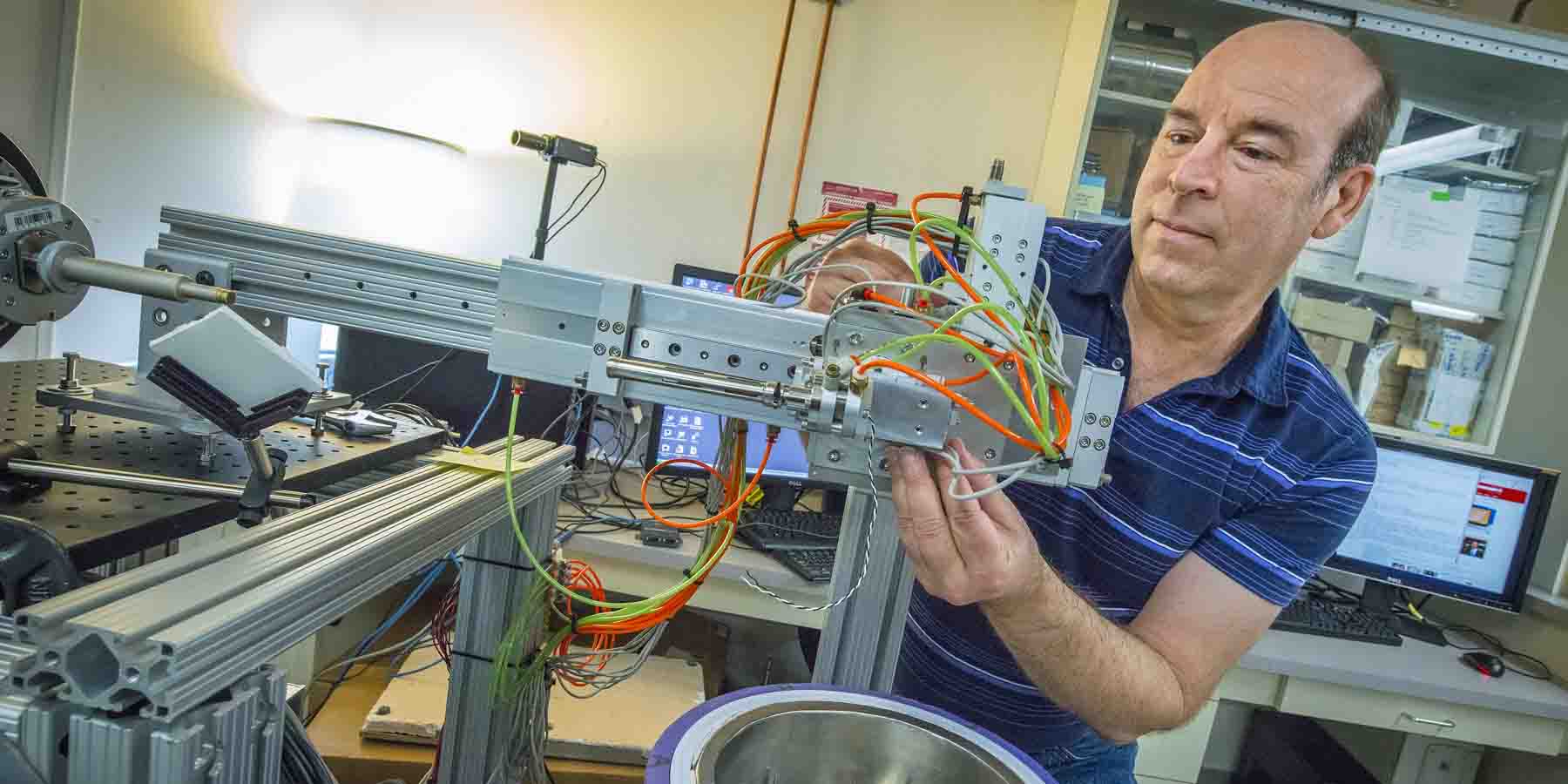
The vision of the Berkeley Center for Structural Biology (BCSB) is to provide state-of-the-art beamlines and outstanding service for crystallographers around the world, enabling structure solution on even the most complex biological systems. For over ten years, the BCSB has operated five protein crystallography beamlines at the Advanced Light Source (ALS) at Lawrence Berkeley National Laboratory. Through many improvements over the years, the Center has dramatically increased the flux, stability, and automation of the beamlines, keeping them at the cutting edge of synchrotron MX science.
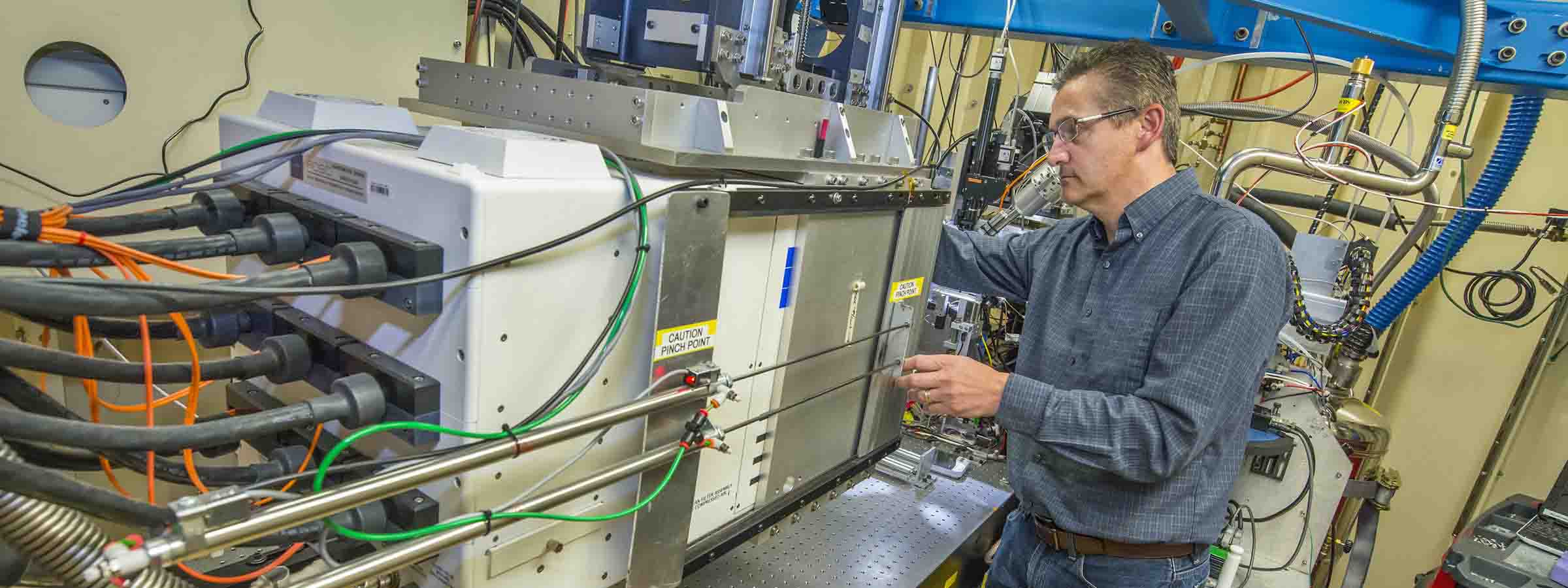
The BCSB runs wiggler beamlines 5.0.1, 5.0.2, 5.0.3, and superbend beamlines 8.2.1, and 8.2.2. Beamlines 8.2.1 and 8.2.2 are equipped with Rigaku ACTOR robots, and the sector 5 beamlines are equipped with ALS-style robots. An MD2 microdiffractometer is installed in 8.2.1 and 8.2.2, and an MD2 has recently been installed in 5.0.2.
The successful introduction of top-off operation (constant 500mA ring current) by the ALS has resulted in a doubling in total X-ray flux delivered to users when measured across a full shift. All BCSB beamline optics have now been optimized to deliver optimal performance under 500mA operation. 5.0.1 and 5.0.3 have also had their wavelength adjusted to 12.7keV (above the Se-K edge) enabling users to use Se-SAD phasing techniques to solve their structures.
Announcements
- PRT membership is now available on beamlines 5.0.1 and 5.0.2. If you are interested in trying out these beamlines, please contact Corie Ralston for more details.
- Rapid Access Proposals for structural biology beamlines are now being accepted. RAPIDD Proposals can be submitted any time, and are separate from the General User 6-month proposal cycles.
- The 6-month cycle for Jul-Dec 2013 proposal submission is now closed. Proposals for the Jan-Jul 2014 6-month operating cycle will be due on Sept. 4, 2013, the first Wednesday in September.
- The next ALS Shutdown (2-Bunch) will be from August 26, 2013 to September 8, 2013.
Recent Scientific Highlights
|
A Portal into the Nucleus |
|
Cleaning Up an Environmental Toxin |
|
How to Make a Diphtheria Vaccine |
|
Towards Designing a Universal Flu Vaccine |
|
Distinguishing Between Different Drugs Within the Same Class |
| Amyloid Oligomers and Their Role in Disease Diseases such as Alzheimers and Parkinsons have as their hallmark aggregations of fibrous protein in plaques. However, recent evidence suggests that the cause of the aggregation is not amyloid fibrils, but rather small amyloid oligomers. Crystal structures of several amyloid oligomers solved at beamline 8.2.1 showed a cylindrical structure, and combined with biochemical studies, reinforce the theory that these oligomers are the toxic agent in amyloid diseases.
|
| How Proteins Keep Time The structures of CLOCK:BMAL1 help explain how the mammalian circadian clock is maintained: the proteins involved are transcriptional regulators that turn on protein production during the day. The same proteins that are produced as a result of this then travel into the nucleus at night and repress their own regulation. The 2.3A structure of the heterodimer delineated specific protein interfaces that stabilize the complex and allow it to function as a regulator; mutations that disturb these interfaces affect the mammalian circadian clock.
|
| A Nucleotide-Independent Voltage Gated Ion Channel Working through the Collaborative Crystallography program at Berkeley Center for Structural Biology, researchers at the University of Washington recently published an impressive structural analysis of a voltage-gated ion channel, proteins that control the flow of ions across a cell membrane in response to electrical potential. The structure shows that the ligand binding pocket in the C-terminal region has a negatively charged electrostatic profile, making it an unfavorable site for binding by the negatively charged nucleotides.
|
| TAL Effector Nuclease and its Potential Role in Genome Engineering TAL proteins are used by plant pathogens to target specific DNA sites within plant genes. Because they have exceptional specificity, they are considered a current prime candidate for genome engineering. Scientists from the Fred Hutchinson Cancer Research Cancer and Iowa State University solved a key TAL protein at beamline 5.0.2, providing the groundwork for which TAL proteins can be combined with endonucleases for use in targeted gene modification to combat human diseases.
|
| Delineating the Link Between Calsequestrin and Disease This crystal structure of calsequestrin was the first report of specific calcium coordination sites in the protein and provided an understanding of the mechanism by which the protein binds high levels of calcium in a unique manner. Many of the residues involved in Ca binding are found in both front-to-front and back-to-back interfaces, and are highly conserved. Mutations or binding of other ligands can interfere with the interfaces, helping explain the pathological basis for related disorders.
|
| Clamp-loader Complexes and DNA Replication A large protein complex called a "clamp-loader" is integral to DNA replication, facilitating the attachment of polymerase and the sliding clamp to DNA strands. The structure of aclamp-loader/sliding clamp complex from Bacteriophage T4 was solved at beamlines 8.2.1 and 8.2.2, leading to a detailed understanding of how the complexes move along nucleic acid.
|
| A Signal Recognition Particle Complex In co-translational protein targeting, newly translating proteins attached to the ribosome are brought to their target areas within the cell by the signal recognition particle (SRP). The 3.9A crystal structure of a prokaryotic SRP complex was solved by scientists from U.C. Berkeley and the Swiss Federal Institute of Technology using data from beamline 8.2.2.
|
| A Sesquiterpene Synthase as a Target for Biofuels A protein structure solved at beamlines 5.0.3, 8.2.1 and 8.2.2 has properties of unique interest to advanced biofuel production. AgBIS was solved in apo form and with several different inhibitors, showing a potential catalytic mechanism for conversion of farnesyl diphosphate into bisabolene.
|
Click here for more beamline highlights.